VASARELY & ADRIAN
Dynamic Grids
Until 10 January 2027

ALBERTINA MODERN, VIENNA
Op Art works are designed to set viewers’ eyes in motion—it is an art style that seeks to challenge the sense of sight in a very special way, calling for no prior knowledge, and being spontaneously experienceable. It established itself in America and Europe in the mid-1960s. Fascinated by the physical laws of light and optics, an entire generation of artists devoted themselves to the study of optical phenomena and the fundamentals of perception. While Op Art has fallen somewhat into obscurity over the decades, it remains a revolutionary art born from a revolutionary era.
It was from the 1950s that Victor Vasarely and Marc Adrian put our vision to the test with optical effects. The bold colors of Vasarely’s strictly geometric patterns, as well as the stark contrasts of his black-and-white paintings continue to inform the aesthetics of painting and design today. The depiction of movement in art is also the central subject matter of Marc Adrian, nearly a quarter-century younger than Vasarely. Throughout his life, he kept exploring the boundaries of the depictable, in respect of both content and the materiality of his works. Also, he made significant contributions to international avant-garde art movements such as the Düsseldorf-based ZERO group, the European and South American New Tendencies, and the early Italian computer art movement Arte programmata. Adrian’s multiform body of work, which has yet to be fully appreciated and still holds much to discover, is nothing short of an expression of a new visuality. In 1965, he was the only Austrian to participate, alongside Vasarely and numerous other artists, in the trailblazing Op Art exhibition The Responsive Eye at the Museum of Modern Art in New York, where he garnered international attention.
More than 60 years later, the ALBERTINA now dedicates an exhibition to these two grand masters of Op Art, presenting their works side by side and bringing them into direct dialogue with one another. What becomes clear is that either artist’s multifarious oeuvre still is as impressive and relevant today as it ever was.
On view from 26 June 2026 to 10 January 2027 at the ALBERTINA MODERN.
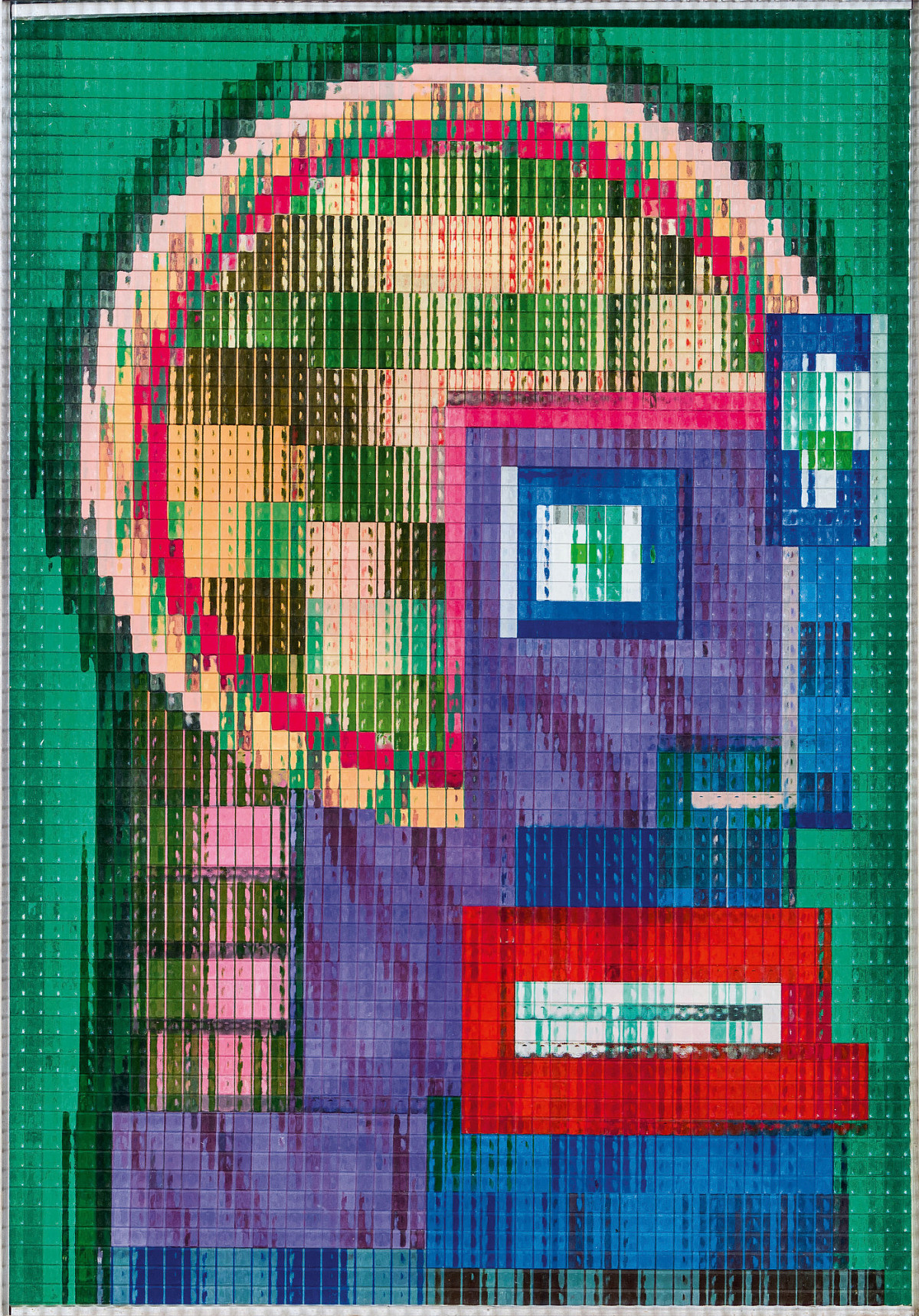
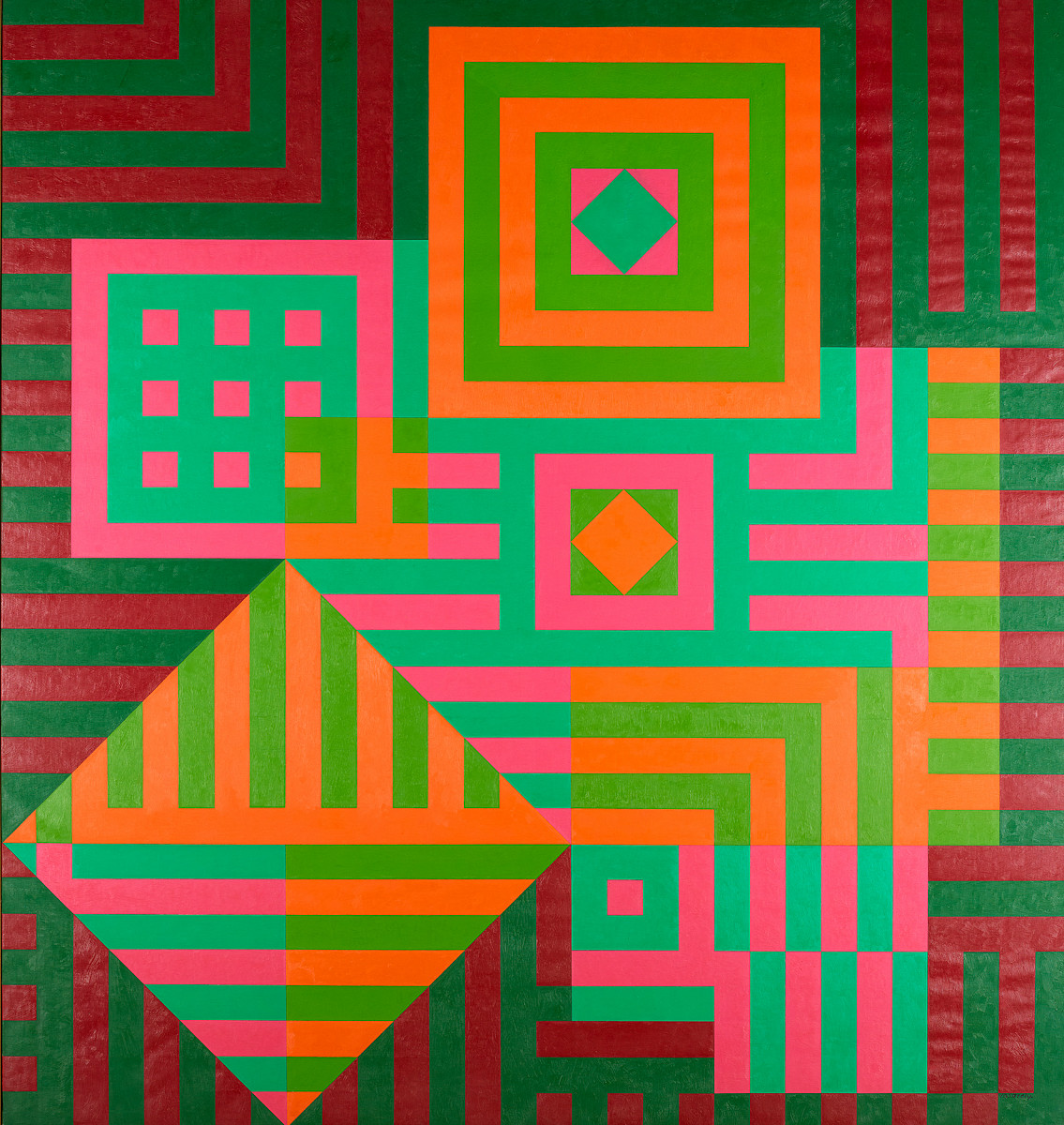
Victor Vasarely | Kiu-Siu, 1963 | The ALBERTINA Museum, Vienna – The ESSL Collection © Bildrecht, Vienna 2025 | Photo: The ALBERTINA Museum, Vienna
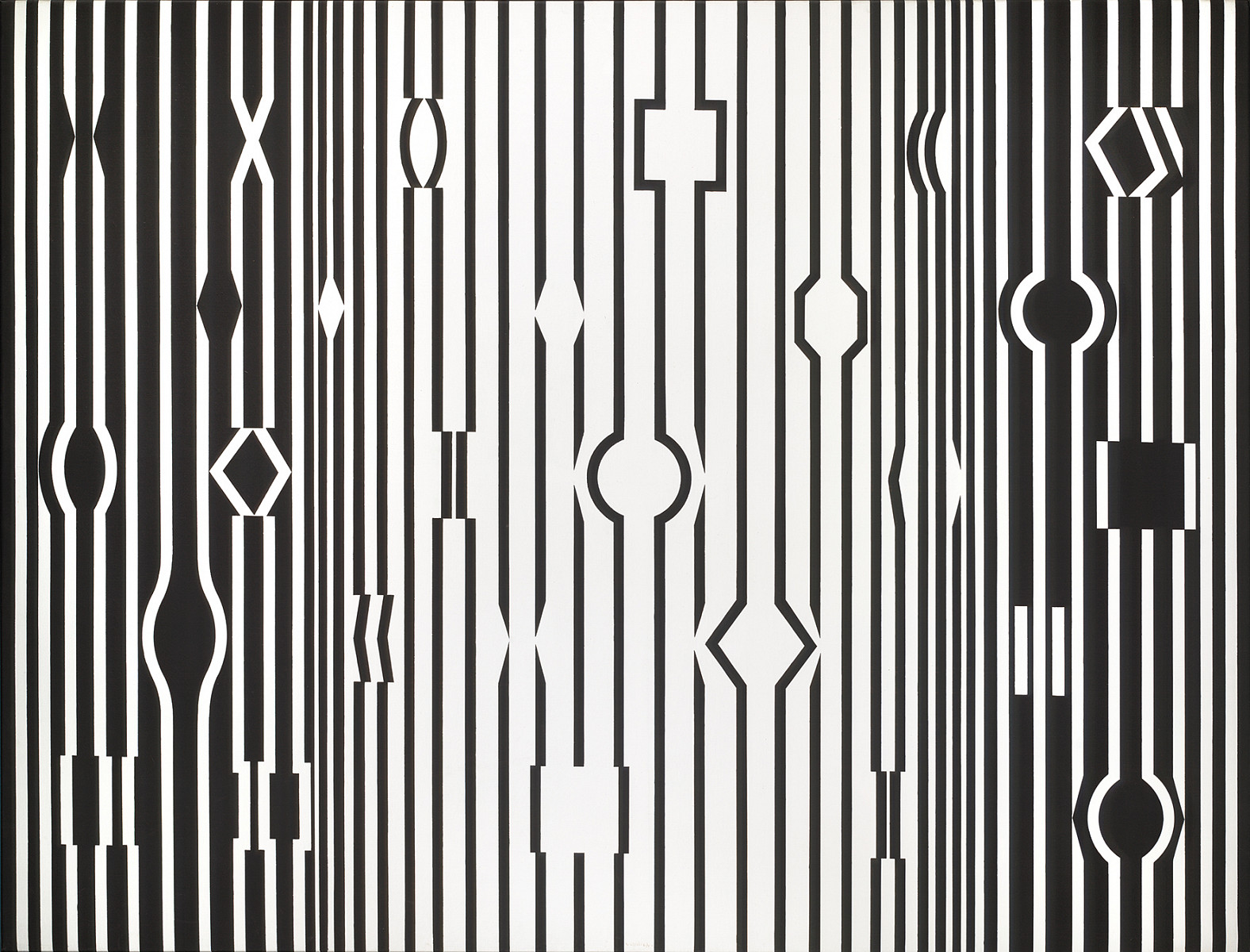
Victor Vasarely | Markab Neg, 1953 | The ALBERTINA Museum, Vienna – The Batliner Collection © Bildrecht, Vienna 2026 | Photo: The ALBERTINA Museum, Vienna

Marc Adrian | Trip-Tychon, 1974 | Private collection © Bildrecht, Vienna 2026 | Photo: Galerie bei der Albertina ■ Zetter und Künstler
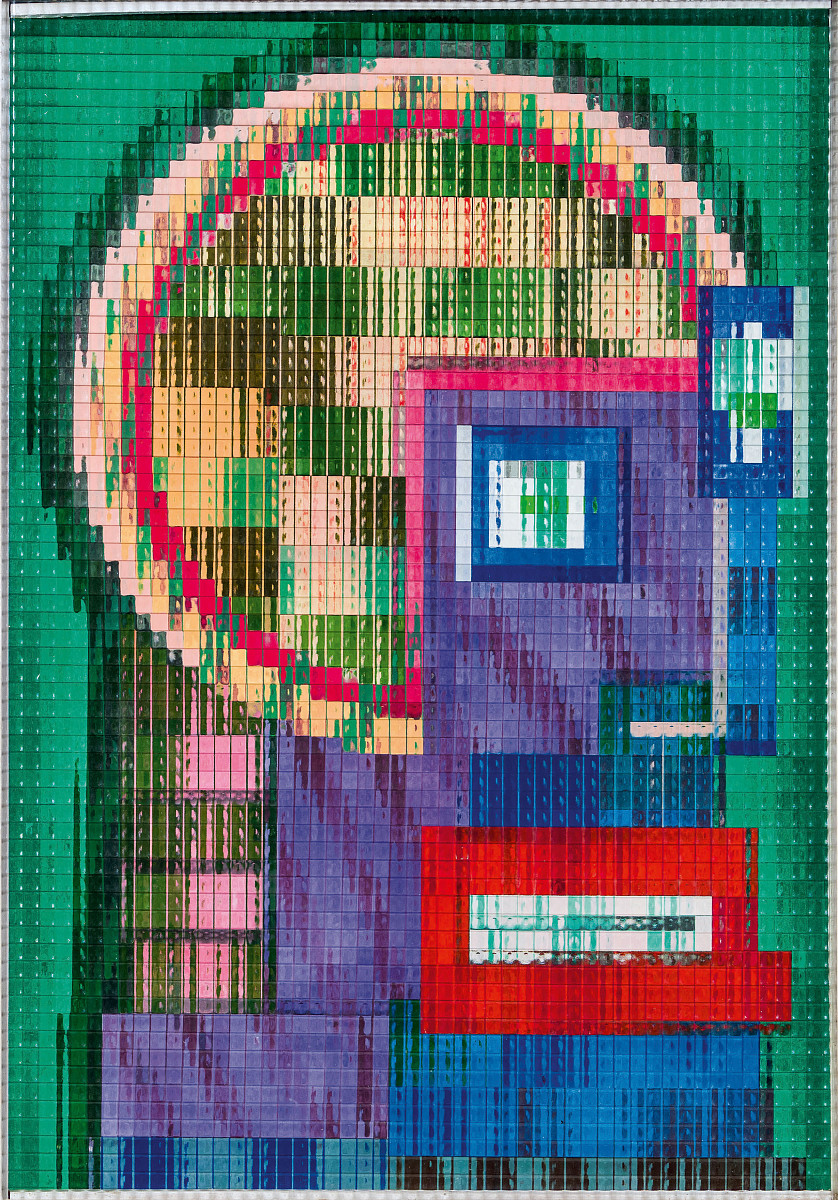
Marc Adrian | The Green Lady, 1974 | Private collection © Bildrecht, Vienna 2026 | Photo: Galerie bei der Albertina ■ Zetter und Künstler
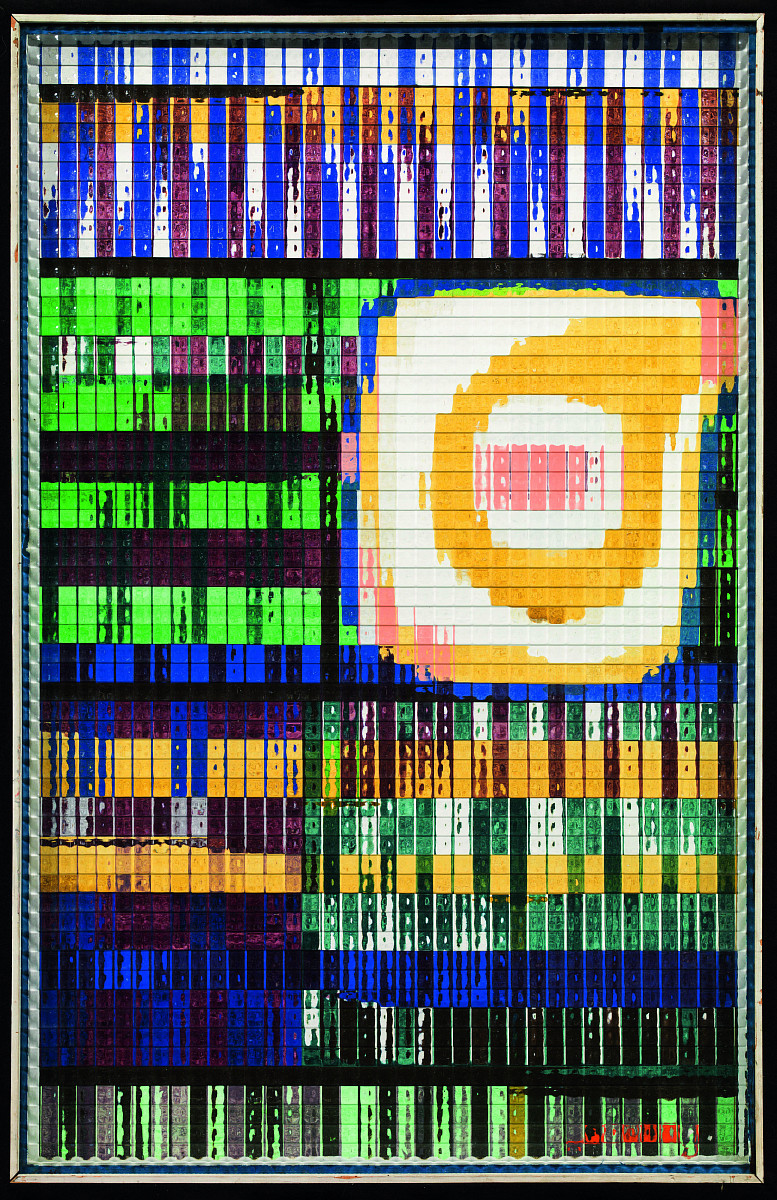
Marc Adrian | The Landscape of Vision, 1971 | Private collection © Bildrecht, Vienna 2026 | Photo: Galerie bei der Albertina ■ Zetter und Künstler
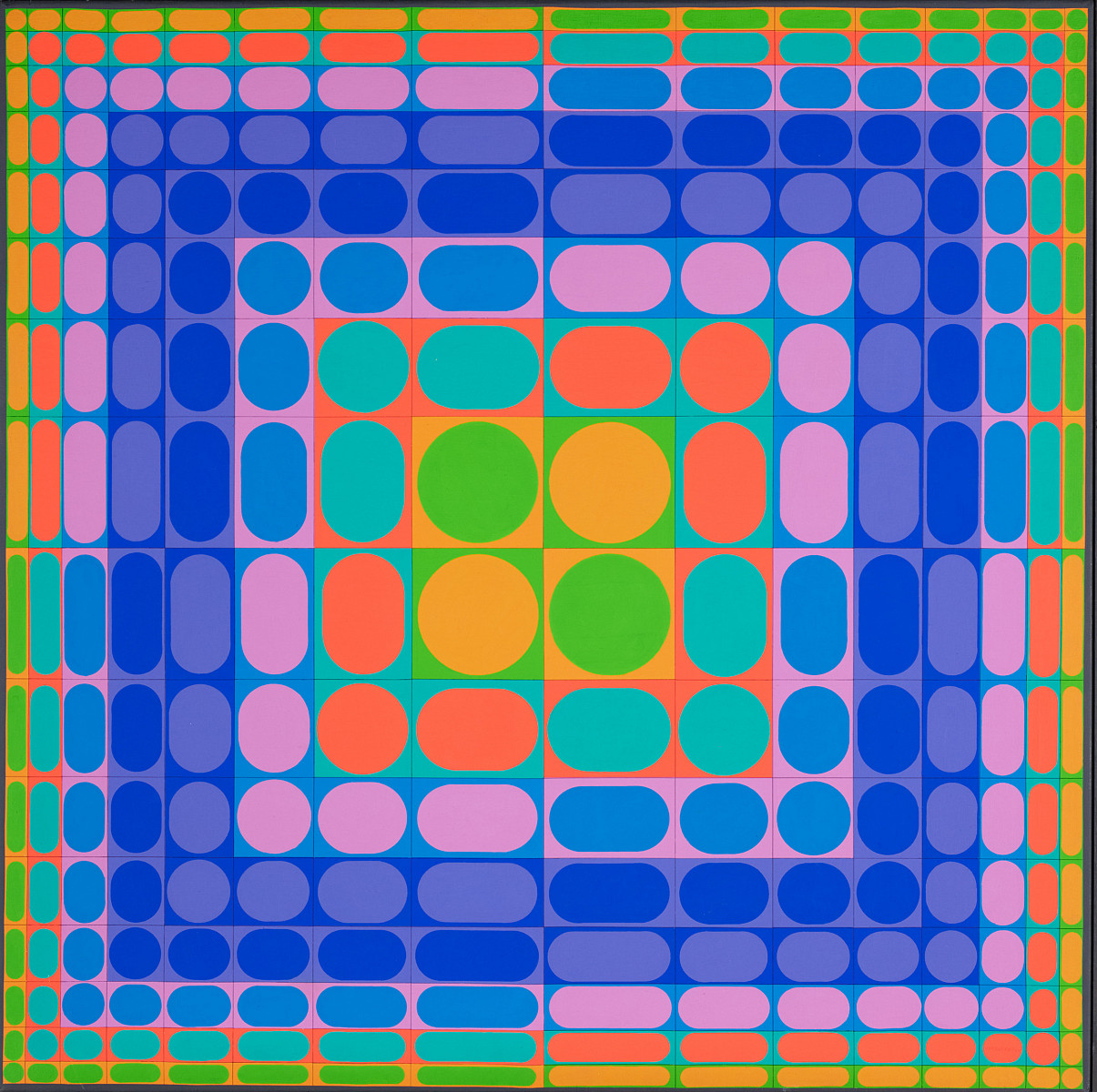
Victor Vasarely | GYK K2, 1974 | The ALBERTINA Museum, Vienna – The Batliner Collection © Bildrecht, Vienna 2026 | Photo: The ALBERTINA Museum, Vienna
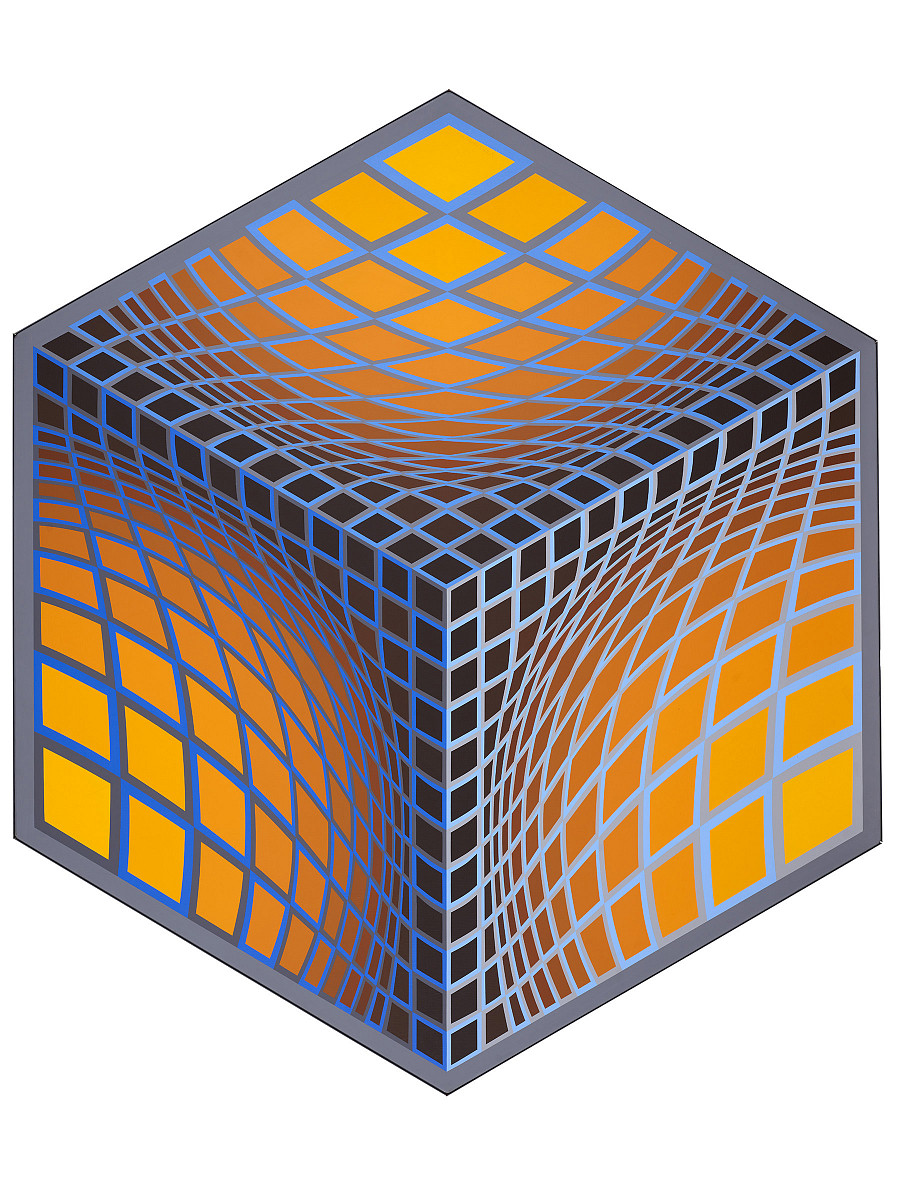
Victor Vasarely | Parmenide, 1979 | The ALBERTINA Museum, Vienna – The Batliner Collection © Bildrecht, Vienna 2026 | Photo: The ALBERTINA Museum, Vienna
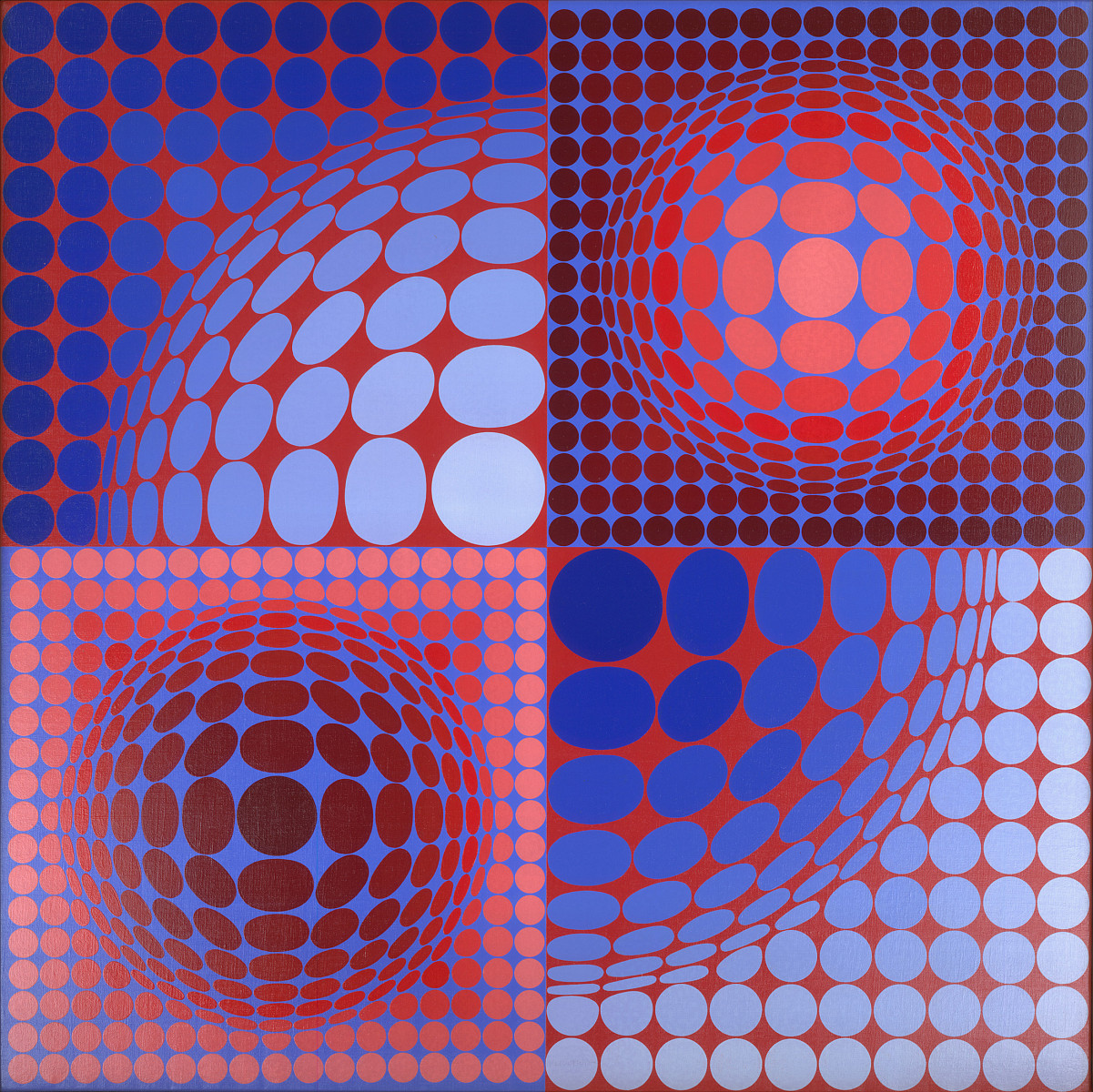
Victor Vasarely | Novega, 1981 | The ALBERTINA Museum, Vienna – The Batliner Collection © Bildrecht, Vienna 2026 | Photo: The ALBERTINA Museum, Vienna
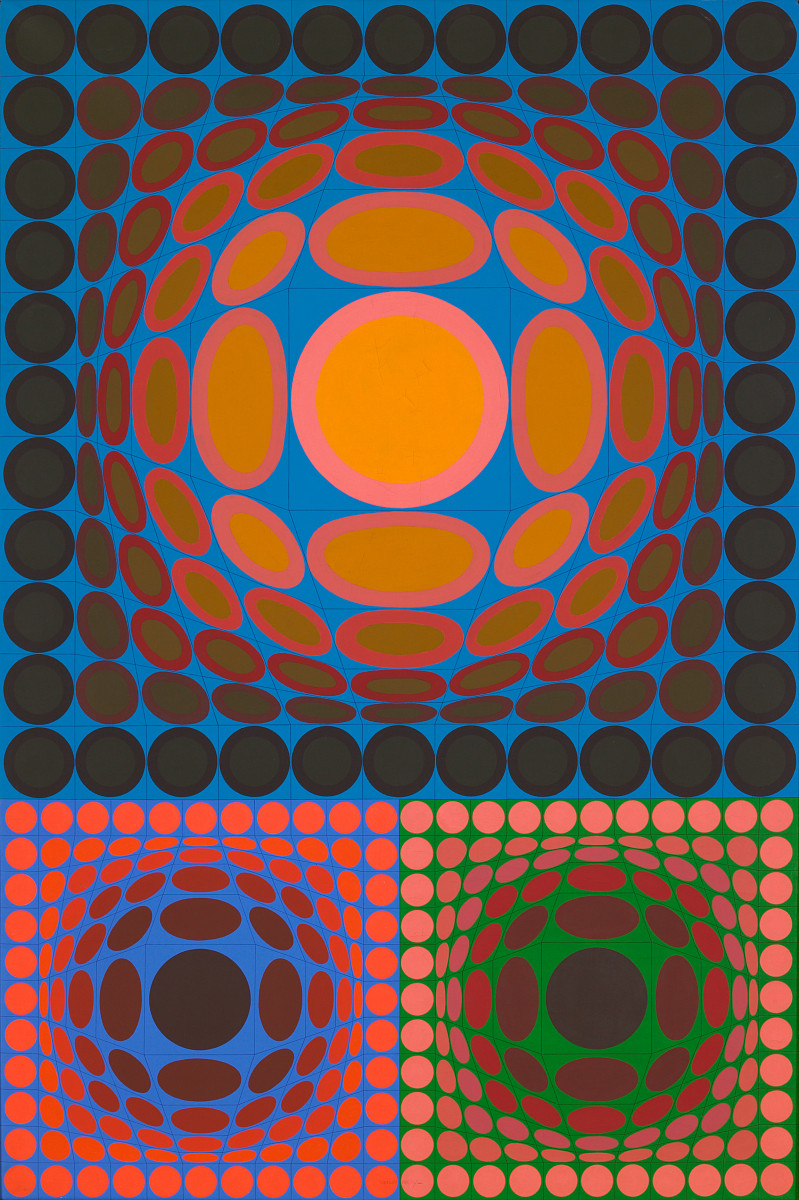
Victor Vasarely | Trivega, 1976 | The ALBERTINA Museum, Vienna – The Haselsteiner Family Collection © Bildrecht, Vienna 2026 | Photo: Mischa Nawrata
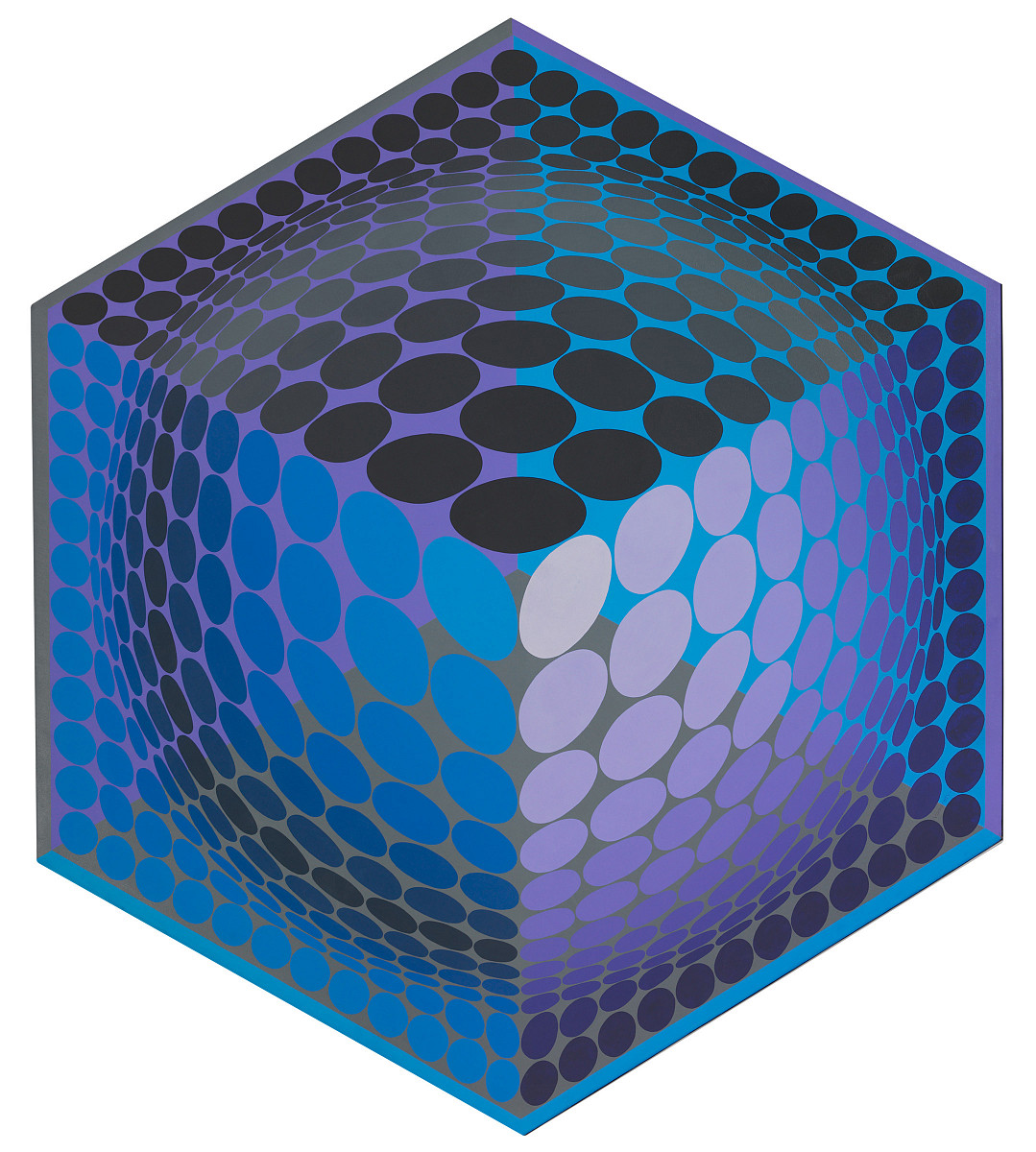
Victor Vasarely | Empedocle, 1979 | The ALBERTINA Museum, Vienna – The ESSL Collection © Bildrecht, Vienna 2026 | Photo: Mischa Nawrata
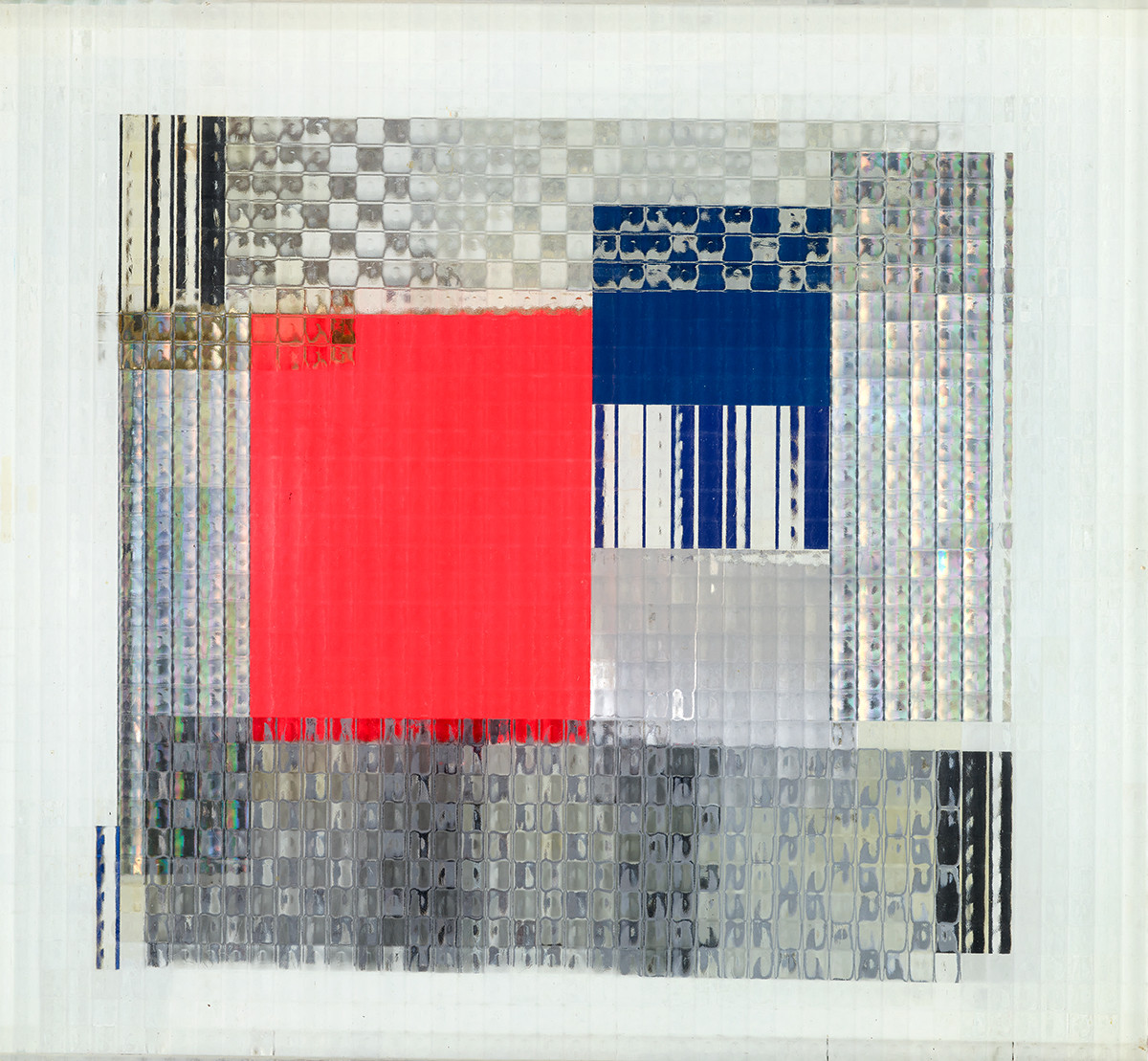
Marc Adrian | M5, 1959 | Private Collection, Vienna © Bildrecht, Vienna 2026 | Photo: The ALBERTINA Museum, Vienna
Annual Partner

Annual Partner

Partner